Bedding · Sleep comfort · Canada
Choosing a Latex Comfort Layer for Canadian Sleep
A latex comfort layer can refine the feel of a bed without replacing the mattress beneath it. The right choice is less about chasing a fashionable material and more about understanding the small, personal details that shape a good night: firmness, sleep position, room temperature, bed height and the way every layer works together.
A thoughtful guide to latex toppers, seasonal bedding and a more considered approach to comfort at home.
There is a particular kind of satisfaction in changing a room without starting over. A fresh sheet, a new bedside lamp, a carefully chosen blanket: small adjustments can shift the atmosphere of a space. A mattress topper works in much the same way. It sits quietly between mattress and sheet, altering the surface you meet each night while leaving the larger investment intact.
Among the available materials, latex has a distinct character. It is resilient rather than slow to respond, cushioning without necessarily creating the deep, enveloping sensation associated with some foams. Depending on its firmness, thickness and construction, a latex comfort layer may make a bed feel gentler, more buoyant or more evenly supportive. It cannot correct every problem, and it will not transform a worn-out mattress into a new one. But for a mattress that is fundamentally sound and simply not quite right, it can be a meaningful adjustment.
For Canadian households, the decision also takes place in a climate of contrasts. A bedroom may feel dry and warm in the depths of winter, then humid or overheated during a summer spell. Bedding layers, heating habits and ventilation all influence how a bed feels. Choosing well means looking beyond the material label to the whole sleeping setup.
What a latex comfort layer can—and cannot—do
A topper adds a layer of cushioning above the mattress. It can soften a surface that feels too firm, introduce a little more pressure relief around the shoulders or hips, or refresh the sensation of a mattress that has become less comfortable but remains structurally supportive. Latex is known for its springy response: when pressure is removed, it tends to recover its shape promptly. Many sleepers experience this as an easier, more buoyant surface than materials that contour more slowly.
That responsive quality can be useful for people who change position through the night and prefer not to feel deeply cradled. It may also help moderate the sense of pressure at contact points, though the result depends on the sleeper, the mattress underneath and the topper’s specific construction. No material guarantees better sleep, and comfort is not a medical treatment. If persistent pain or sleep disruption is a concern, consider speaking with a qualified health professional.
A topper is not a substitute for a mattress with deep sagging, damaged support or an unsuitable foundation. Adding a comfort layer over a significant dip can preserve the uneven feel rather than solve it. Before shopping, inspect the mattress in daylight, check the bed frame and foundation, and consider whether the discomfort comes from surface firmness or from a loss of support below.
It is also worth distinguishing a comfort layer from a mattress protector. A topper is intended to change the feel of the bed; a protector is primarily there to shield the mattress from spills, perspiration and everyday wear. A protector placed over a topper may help keep the comfort layer cleaner, but its fit and fabric can affect how the surface feels. Each layer has a purpose, and the best arrangement is the one that works without bunching, slipping or making the bed too warm.
Firmness begins with the mattress you already own
Firmness is often discussed as if it were a universal number. In practice, it is a sensation shaped by body weight, sleeping position, mattress construction and personal preference. One sleeper’s pleasantly supportive surface may feel too firm to another. A topper’s firmness should therefore be considered in relation to the mattress beneath it, not in isolation.
If the mattress feels too hard at the shoulders or hips, a softer latex layer may add cushioning. If it already feels plush, a firmer layer might create a more stable surface, although it cannot repair a mattress that lacks underlying support. For a couple with different preferences, a topper may help only if both sleepers agree on the change; otherwise, a split arrangement or separate layers may be more practical, provided the bed setup can accommodate them.
Sleep position offers useful clues, not strict rules. Side sleepers commonly seek enough cushioning to ease pressure around shoulders and hips while keeping the spine comfortable. Back sleepers may prefer a more balanced surface that cushions without letting the midsection sink excessively. Stomach sleepers often favour a firmer feel to limit unwanted dipping. These are starting points rather than prescriptions: body proportions, mattress firmness and individual comfort remain decisive.
Before deciding, spend a few nights noticing what feels wrong. Is the surface too hard when you first lie down? Do you wake with pressure at one point? Does the mattress feel unstable or simply too firm? A brief comfort diary can be more illuminating than an impulsive purchase. Record your usual sleeping position, room temperature, bedding layers and whether the discomfort changes through the night. The aim is to identify the problem the topper is meant to address.
Thickness: a subtle change or a new sleep surface?
Thickness influences how much the topper can alter the feel of a mattress, but more is not automatically better. A thinner layer may make a restrained adjustment, while a thicker one can create a more noticeable cushion and change the overall height of the bed. The ideal depth depends on the degree of change you want, your mattress’s existing comfort layers and how much room remains beneath fitted sheets and protectors.
A three-inch latex layer, for example, is a substantial addition rather than a barely perceptible finishing touch. It may be appropriate for someone seeking a clear change in surface cushioning, but it will also raise the sleeping surface and could make the bed feel softer than expected. A thicker topper can influence how easily you move across the bed and how the fitted sheet sits. Measure before choosing, including the mattress depth and any protector already in use.
Think of thickness as part of the whole bed profile. If a fitted sheet is already taut, adding a topper may cause corners to pull free. A deep-pocket sheet can help, but its stated depth should be compared with the combined height of mattress, topper and protector. Check the elastic construction and the maker’s fit guidance rather than assuming that a sheet labelled “deep” will suit every combination.
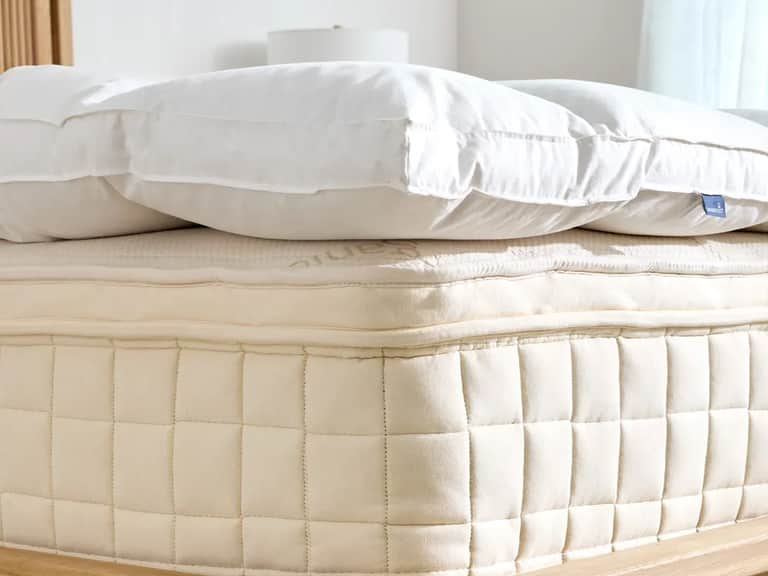
For readers considering a substantial natural latex layer, the Naturepedic Box-Stitched Organic Latex Topper is a three-inch option with a box-stitched design and an organic cotton percale cover. Its listed construction includes a GOLS-certified organic Dunlop latex core, with a stated fill composition of 95% latex and 5% polyester. The maker describes it as spot-clean only and advises against washing or allowing it to become wet. Those practical details matter as much as the initial feel: a topper should suit your preferences and your willingness to care for it.
The language of latex: responsive, not weightless
Natural latex is often described as breathable, resilient and pressure-relieving. Such terms can be helpful, but they should not be treated as guarantees. The precise experience varies with the latex type, firmness, thickness, cover, quilting and the mattress underneath. Latex is not weightless, nor does every latex product have an identical feel. A solid latex core and a topper with shredded latex fill, for instance, are different constructions and may respond differently.
Dunlop and Talalay are two common processes associated with latex bedding. Their production methods differ, and products made through either process can vary in firmness and feel. It is unwise to choose by process name alone. Look for the actual firmness offered, the construction details, certifications where relevant, and clear care instructions. If possible, test a comparable surface in person or review a seller’s return terms before committing.
Certification language deserves the same careful attention. Terms such as organic, natural and low-emission refer to different claims and standards. A certification can provide information about particular materials or manufacturing criteria, but it does not tell you whether the bed will feel comfortable. Read the exact product details, including the cover, fill composition and any blended materials, rather than relying on a single headline phrase.
Latex’s springy response may appeal to people who dislike the sensation of sinking deeply into a mattress. It can also feel firmer or more buoyant than expected to someone accustomed to plush, slow-response foam. Whenever possible, seek a clear explanation of the product’s firmness and check the return policy, including who pays for return shipping and whether opened bedding is eligible. A well-informed decision includes the less glamorous details.
A Canadian bedroom is a seasonal room
Canadian weather makes bedding a year-round consideration. Winter brings dry indoor air in many heated homes, while summer can mean warmer nights, humidity and changing ventilation habits. The same topper may feel different as a bedroom’s temperature and the surrounding layers change. A mattress layer is only one part of the thermal environment: sheets, duvet weight, sleepwear, room airflow and heating settings all contribute.
Latex’s open structure is often associated with airflow, but that does not mean every latex bed will feel cool in every room. A thick mattress protector, dense quilted cover or heavy duvet can influence heat retention. If you tend to sleep warm, consider the full stack: mattress, topper, protector, fitted sheet and blanket. Breathable fibres such as cotton may be a useful complement, while a seasonally lighter duvet can make a more noticeable difference than changing the topper alone.
In colder months, the instinct may be to add layers. That can make a bed feel cosier, but too many heavy layers can trap warmth and moisture. In summer, a lighter cover and improved air circulation may be enough to restore comfort without replacing anything. If a bedroom is persistently hot or humid, consider ventilation and indoor conditions as well as bedding. Sleep comfort is shaped by the room, not only by the mattress.
Seasonal storage also deserves a little forethought. If you remove a topper temporarily, follow its care instructions and store it clean, dry and supported in a way that avoids unnecessary compression or bending. Natural materials can have specific handling requirements. Keep the product’s care label or instructions accessible; assumptions based on ordinary sheets or mattress pads may not apply to a latex-filled topper.
Fit is a matter of measurements, not guesswork
Measure the mattress before ordering. Confirm its width and length, then note the depth, including any built-in pillow top or existing pad. Canadian shoppers may encounter familiar size names, but dimensions can vary by product or manufacturer. Compare the topper’s listed measurements with your mattress instead of relying on the label alone. This is particularly important for less common sizes and for mattresses whose dimensions differ from standard expectations.
Consider how the topper will stay in place. Some designs rely on the fitted sheet to hold them; others use straps or a shaped cover. A topper that shifts can interrupt the surface and create a frustrating nightly reset. Check whether the chosen protector and fitted sheet can accommodate the full depth without pulling tight or sliding off. If the bed is adjustable, confirm compatibility with the frame and the manufacturer’s guidance before adding a thick or heavy layer.
Edges matter, too. A topper that is slightly smaller than the mattress may leave a visible border; one that is too large can bunch. If you share a bed, consider whether the layer’s construction may make movement feel different for each person. Latex can be responsive, but motion transfer depends on the complete mattress system, not the topper material alone.
Bed height is a small design detail with real consequences. A taller surface can make getting in and out of bed feel different, and it may change the visual proportions of a room. It can also affect bedside-table alignment and the fit of a headboard or bed skirt. A topper is an intimate comfort decision, but its dimensions belong to the room as well as the sleeper.
Care: protect the layer you choose
Care instructions are not fine print to revisit only after an accident. They are part of the product’s suitability. Many latex toppers are not designed to be machine washed or soaked. Moisture may damage materials or make a thick layer difficult to dry thoroughly. Follow the specific maker’s guidance for spot cleaning, airing and rotation, and avoid applying general laundry habits to an item that cannot be washed like a sheet.
A breathable, well-fitting mattress protector can help guard against spills and everyday soil, though its material may alter the feel of the bed. Choose one that fits the combined mattress-and-topper depth, and consider whether it is waterproof, water-resistant or simply intended to protect against routine wear. These descriptions are not interchangeable. A waterproof layer may offer more protection but can feel different from a lightweight, uncoated fabric.
Regularly check the topper for shifting, moisture or unusual odours, and air it according to the manufacturer’s instructions. If a product permits rotation or fluffing, doing so periodically can help distribute use more evenly. Do not expose latex to direct sunlight or a direct heat source unless the maker explicitly says it is appropriate. Care recommendations vary, so the product label remains the authority.
In a Canadian home, winter dryness can make static and dust more noticeable, while humid summer weather can make complete drying especially important after cleaning. Keep the bedroom ventilated when practical, and never put bedding back into use while damp. Simple, consistent care can help maintain freshness without turning upkeep into a complicated ritual.
A calm checklist before you decide
Before selecting a latex comfort layer, pause over the questions that are easiest to overlook. The right choice should answer a real comfort need, fit the bed precisely and make sense in the rhythms of your home. A short checklist can bring clarity to what can otherwise become a maze of material claims and firmness labels.
- Is the mattress in good condition, or is there a structural problem a topper cannot address?
- What specific change do you want: more cushioning, a firmer sensation or a different kind of responsiveness?
- How do your usual sleeping positions and pressure points influence that preference?
- How will the topper’s thickness affect bed height, fitted-sheet depth and protector fit?
- Does the construction suit your temperature preferences across Canadian seasons?
- Can you follow the care instructions, and are the return and warranty terms clear?
When comparing products, look for specifics rather than superlatives. A useful description tells you the dimensions, thickness, firmness options, material composition and cleaning requirements. Certifications can help clarify selected standards, but they do not replace reading the construction details. If information is missing, ask the retailer before purchasing.
Comfort is an edit, not a reinvention
The most successful bedding choices often feel less like a dramatic makeover than a careful edit. A latex layer can introduce a more buoyant cushion, soften an overly firm surface or add a fresh dimension to a mattress that still provides sound support. It is a considered intervention: modest in scale, intimate in effect, and most satisfying when chosen for a clearly understood reason.
Start with the mattress, then think about firmness, thickness and fit. Add the realities of the bedroom—its climate, bedding layers and seasonal shifts—and the decision becomes less mysterious. The best latex mattress topper for a Canadian home is not necessarily the thickest, most expensive or most elaborately described. It is the one whose feel, care requirements and proportions make sense for the people who sleep there.
In the end, a bed is a collaboration between its layers. The mattress provides the foundation; the comfort layer can refine the surface; sheets and protectors shape touch and practicality; and the room sets the climate. Attend to each part with a little curiosity, and comfort becomes less about chasing perfection than finding a balance that feels unmistakably your own.